Here's the arithmetic that should frame this whole decision. The Insurance Information Institute reports 1.61 water-damage-and-freezing claims per 100 insured homes per year, at an average of $13,954 per claim. Run that over a decade and the expected cost of doing nothing is on the order of $2,200 per home, before your deductible, your premium hike, and the weeks of drying equipment. Every option below costs less than that. So the question isn't whether freeze protection for pipes is worth buying; it's which combination earns its keep in your house.
The five ways to keep pipes from freezing
Pipe insulation is foam or fiberglass around the pipe. Passive, cheap, permanent protection. Slows freezing; can't stop it forever in a space that stays deeply cold.
Heat tape / heat cable is an electric element along the pipe that adds actual heat. The only protection that keeps an exposed outdoor pipe workable through a northern winter.
Warm-air tactics are thermostat discipline, open cabinet doors, sealing drafts, gently heating a problem space. They use heat you're already paying for, with limited reach.
Dripping faucets means opening taps during a freeze so ice blockages can't build burst pressure. Costs pennies; works only while you remember to do it.
Drain-and-shutoff removes the water entirely. Absolute protection, zero convenience; the standard for buildings left unheated.
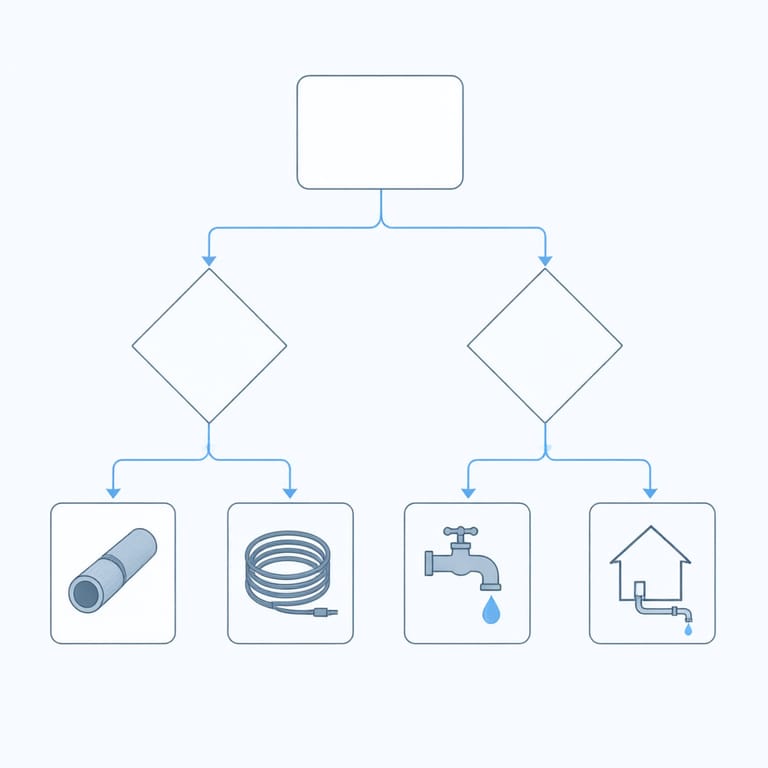
Freeze protection for pipes, side by side
| Parameter | Insulation | Heat cable | Warm-air tactics | Dripping faucets | Drain & shutoff |
|---|---|---|---|---|---|
| What it actually does | Slows heat loss | Adds heat to the pipe | Keeps pipe's surroundings warmer | Relieves pressure, keeps water moving | Removes the water |
| Upfront cost | Low (materials only) | Moderate (cable + rated insulation) | Near zero | Zero | Zero DIY; a service call if a pro does it |
| Running cost | None | Electricity while energized | Heating fuel you'd mostly buy anyway | Water down the drain | None |
| Protection level | Delays freezing by hours | Prevents freezing while powered | Helps interior pipes only | Prevents burst pressure, not always ice | Absolute |
| Needs electricity? | No | Yes; fails in an outage | Usually (furnace) | No | No |
| Effort | One afternoon, once | Half a day, once + yearly inspection | Nightly during snaps | Nightly during snaps | Hours, each season |
| Failure mode | An extreme prolonged freeze outlasts it | Power outage, aged cable | Forgetting; wall cavities stay cold | Drip stops unnoticed; wrong faucet chosen | Incomplete drain leaves water in traps/low spots |
| Best for | Every accessible run, everywhere | Chronic freezers, outdoor/exposed lines | Occupied homes, interior pipes | Cold snaps in occupied homes | Vacant or unheated buildings |
| Lifespan | Decades | Years; inspect annually, replace per maker's schedule | n/a | n/a | Seasonal |
Who should pick what
The ranch with a vented crawl space. Your coldest plumbing lives under the floor. Insulate every run, seal and close vents for winter, and put self-regulating heat cable on the stretch that froze before. Insulation alone down there is a bet against a long deep freeze, and a northern freeze runs long.
The kitchen line on a north exterior wall. One faucet that sputters every January. Warm-air tactics are your first protection: cabinet doors open during snaps, and drip that faucet on the hard nights. The permanent fix is insulating the cavity or rerouting, next time that wall is open.
The exposed outdoor or garage line that can't be drained. This is heat cable territory, full stop. No amount of wrap keeps an outdoor pipe liquid through a week of single digits. Heat tape under rated insulation is the working setup.
The snowbirds gone January through March. Don't leave the house's fate to a thermostat and luck. Either maintain heat no lower than 55°F (and know what that number does and doesn't guarantee) with someone checking weekly, or drain the system properly. For an extended absence in the freeze belt, the drain-down is the honest answer.
The rural home with shaky power. Heat cable and the furnace both die with the line. Weight your plan toward passive protection: heavy insulation, and a practiced drain-down you can execute when an ice-storm outage is forecast.
Need a licensed plumber right now?
Call (800) 555-0173Free call, connects to a licensed local plumberLicensed plumbing partners in your area- Licensed and insured partner network
- 24/7 call routing
- Free call, no obligation
- You approve the price with the plumber directly
How to keep outdoor water pipes from freezing (DIY or not)
Most questions about how to keep outside pipes from freezing are really one of three situations, and each has a different right answer:
A hose bib or outdoor faucet. Don't protect the water; remove it. Disconnect hoses, close the interior shutoff, and drain the bib every fall. A foam faucet cover is a supplement, not a substitute; it insulates, and insulation alone loses a long freeze.
An exposed supply line that must stay live: a water pipe crossing an unheated garage, running under a deck, or feeding an outbuilding. The only dependable way to keep exposed pipes from freezing is added heat, and here the DIY answer is a system, not a product: self-regulating heat cable along the pipe, covered with insulation the cable maker rates for that use, plugged into a GFCI outlet you check each fall. Wrap alone, towels, bubble insulation, and similar improvisations delay the freeze by hours; the cable is what prevents it.
Pipes under a mobile or manufactured home. Functionally exposed water pipes with a windbreak. Intact skirting to stop wind-driven cold, insulation on every run, and heat cable on the supply riser is the standard protection in the northern tier.
The depth rule explains why this matters so much here: buried water lines are safe because they sit below the frost line, and in the northern tier that design depth runs 42 to 80 inches. Any pipe above that line, which is every exposed pipe on this list, spends the winter on the wrong side of the physics and needs either added heat or no water.
The ten-year cost picture
Insulation is a one-time materials buy that then works free for decades. Heat cable adds a modest electricity bill (self-regulating cable throttles down when the pipe is warm) plus replacement on the manufacturer's schedule. Dripping costs water measured in pennies per night. Against those: a professional thaw call runs $100-200 (up to $500 for buried or hard-to-reach pipe) per Angi's cost data, a burst-pipe repair averages around $500 and can reach $5,000 with water damage per Angi and HomeAdvisor figures, and the average insurance claim when a freeze goes really wrong is that $13,954, with roughly a 15% chance of at least one water-damage-or-freezing claim over ten years at the III's published frequency. Prevention doesn't have to beat those numbers by much. It beats them by orders of magnitude.
The verdict
Don't pick one. Freeze protection for pipes works as layers, in this order:
- Insulate every accessible run. It's the cheapest thing on the table and improves every other layer of protection. Start with the insulation guide.
- Add heat cable only where insulation keeps losing: chronic freezers, outdoor lines, crawl spaces and mobile homes in the northern tier. In a region where the Building Research Council's field research pegs 20°F outside as the freezing threshold for uninsulated pipes in unconditioned attics, exposed runs need active heat, not hope.
- Treat dripping and warm-air moves as cold-snap tactics, not a system. They're what you do when the forecast turns, layered on top of the permanent work.
- Drain anything you won't heat. Vacant house, seasonal cabin, fall hose bibs: if no one's there to notice a failure, take the water out.
If a run has already frozen twice, stop optimizing and get it looked at, because repeated freezes usually mean a routing or building-envelope problem that hardware store fixes won't solve. Call (800) 555-0173 and NorthBriar will connect you with a licensed local plumber for a quote; compare what they propose against the ranges above. The full seasonal checklist lives in the winterization hub.
Need a licensed plumber right now?
Call (800) 555-0173Free call, connects to a licensed local plumberLicensed plumbing partners in your area- Licensed and insured partner network
- 24/7 call routing
- Free call, no obligation
- You approve the price with the plumber directly